Luxury real estate in Israel: a guide for international buyers
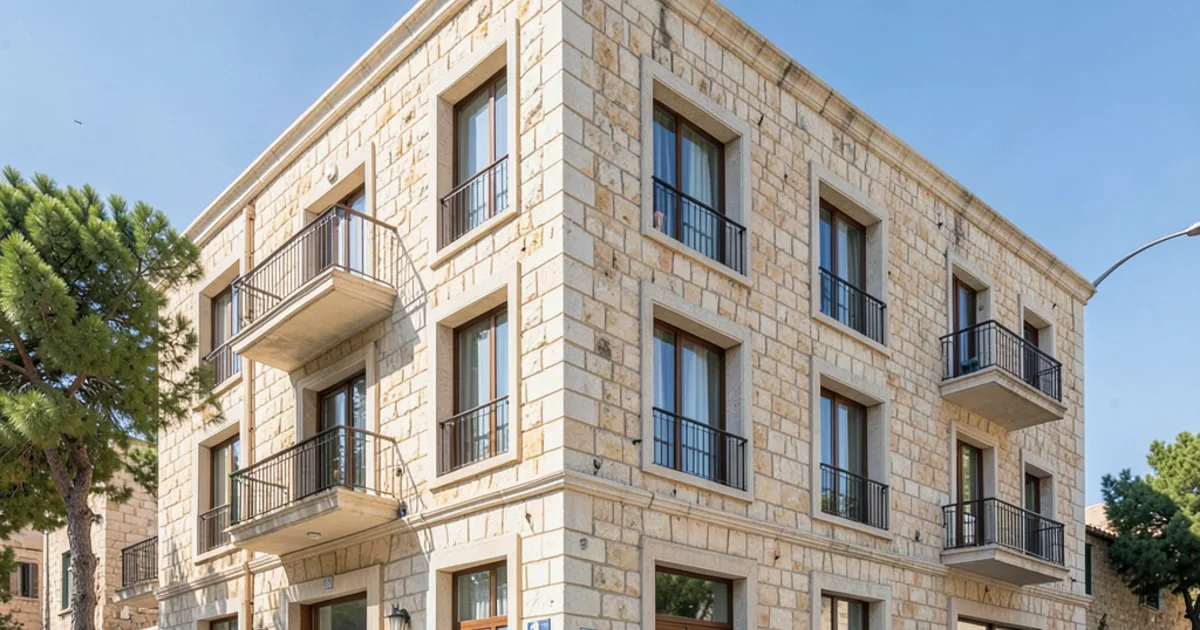
Israel, a land steeped in history, innovation, and vibrant culture, has emerged as a compelling destination for international luxury real estate investment. Its unique blend of ancient heritage and modern dynamism, coupled with a robust economy, attracts a discerning clientele seeking not just a property, but a lifestyle and a connection to a profound global hub. This in-depth guide is tailored for foreign buyers, offering expert insights into the nuances of acquiring high-end properties across Israel's most coveted locales, from the bustling metropolis of Tel Aviv to the serene hills of Jerusalem and the picturesque coastal towns.
- Why Invest in Luxury Real Estate in Israel as a Foreign Buyer?
- Understanding Key Luxury Markets: Tel Aviv, Jerusalem, and Beyond
- Navigating the Legal and Regulatory Landscape for Foreign Buyers
- Understanding Taxation for International Property Owners in Israel
- Financing Options and Mortgage Considerations (Mashkanta)
- The Role of Real Estate Agents and Professional Advisors
- Due Diligence: Essential Steps for a Secure Investment
- Cultural Considerations and Lifestyle Integration
- Post-Purchase Management and Maintenance
Why Invest in Luxury Real Estate in Israel as a Foreign Buyer?
Israel's luxury real estate market presents a unique value proposition for international investors. Beyond the allure of owning a piece of this extraordinary country, the market has demonstrated remarkable resilience and growth potential over various economic cycles. The demand for high-end properties, particularly in prime locations, consistently outstrips supply, contributing to sustained appreciation. Foreign buyers are often drawn by a combination of factors: a desire for a second home, a strategic investment, or a connection to their heritage. The country's strong innovation economy, often dubbed 'Start-up Nation,' attracts a global talent pool, further fueling the demand for premium housing.
Moreover, Israel offers a lifestyle that is both sophisticated and deeply rooted in community. From world-class dining and cultural institutions in Tel Aviv to the spiritual serenity of Jerusalem, and the burgeoning arts scenes in other cities, there's a rich tapestry of experiences. For many, owning property in Israel is more than a financial transaction; it's an affirmation of identity and a long-term commitment to a thriving nation. The appeal extends to the high quality of life, excellent healthcare, and educational opportunities, making it an attractive destination for families and retirees alike.
Understanding Key Luxury Markets: Tel Aviv, Jerusalem, and Beyond
The luxury real estate landscape in Israel is diverse, with distinct characteristics defining its premier markets. Tel Aviv, often referred to as the 'Mediterranean Manhattan,' is the undisputed hub for contemporary luxury. Here, high-rise penthouses with panoramic sea views, meticulously restored Bauhaus buildings, and exclusive villas in neighborhoods like Herzliya Pituach command premium prices. The city's vibrant nightlife, culinary scene, and technological innovation attract a cosmopolitan clientele seeking a dynamic urban experience. Properties in Tel Aviv are characterized by modern design, smart home technologies, and access to world-class amenities.
Jerusalem, on the other hand, offers a different kind of luxury, often intertwined with history and spirituality. High-end properties here range from elegant apartments with views of the Old City to expansive homes in prestigious neighborhoods like Rehavia, Talbiya, and the German Colony. Buyers in Jerusalem often seek properties with unique architectural character, proximity to historical sites, and a serene atmosphere. Beyond these two major cities, other areas are gaining prominence. Coastal towns like Netanya and Ashdod offer luxurious beachfront residences, while areas in the Galilee and the Golan Heights appeal to those seeking tranquil estates amidst natural beauty. Each market offers a unique investment profile and lifestyle, catering to different buyer preferences.
Navigating the Legal and Regulatory Landscape for Foreign Buyers
Acquiring property in Israel as a foreign buyer involves navigating a specific legal and regulatory framework. It is imperative to engage experienced legal counsel specializing in Israeli real estate law from the outset. Key considerations include understanding land registration, which is typically handled through the Land Registry Office (Tabu). The process involves due diligence to verify ownership, ensure there are no liens or encumbrances, and confirm zoning compliance. Foreign buyers generally have the same rights as Israeli citizens to purchase property, with some exceptions regarding land designated for national purposes.
The purchase process typically begins with a preliminary agreement, followed by a detailed purchase agreement. This agreement specifies the terms of sale, payment schedule, and conditions precedent. Legal professionals will guide you through negotiations, ensuring your interests are protected. It's also crucial to understand the implications of Israeli inheritance law, especially for those planning long-term estate planning. Engaging a reputable lawyer and a local real estate agent who understands the nuances of the foreign buyer market is non-negotiable for a smooth and secure transaction.
Understanding Taxation for International Property Owners in Israel
Foreign buyers of luxury real estate in Israel need to be aware of the various taxes applicable to property transactions and ownership. The primary tax on property acquisition is Purchase Tax (Mas Rekhisha). The rates for foreign buyers can differ from those for Israeli residents, and they are progressive, meaning higher property values attract higher tax percentages. There are also specific rules and potential exemptions or reduced rates for certain groups, such as new immigrants (Olim Hadashim) within their first few years in the country. It's crucial to obtain precise and up-to-date information from a tax advisor, as these rates and regulations can change.
Beyond purchase tax, property owners are subject to annual municipal property tax (Arnona), which varies by municipality and property size/type. When selling a property, Capital Gains Tax (Mas Shevach) may be applicable on the profit realized from the sale. There are also potential exemptions or deferrals for certain sales, such as selling a primary residence under specific conditions. For rental properties, rental income tax may apply. Given the complexity, consulting with an Israeli tax expert is essential to understand your specific obligations and potential tax planning strategies, both upon acquisition and eventual disposition of the property.
Financing Options and Mortgage Considerations (Mashkanta)
Securing financing for luxury real estate in Israel as a foreign buyer involves specific considerations. While it is possible to obtain a mortgage (Mashkanta) from Israeli banks, the terms and conditions may differ from those offered to residents. Typically, foreign buyers might face higher down payment requirements and potentially stricter lending criteria. Israeli banks will assess a buyer's financial stability, income, and credit history, often requiring extensive documentation. It's advisable to engage with several banks to compare offers and understand their specific requirements for non-residents.
Alternatively, some foreign buyers opt to finance their purchase through international banks or by leveraging assets in their home country. This can sometimes offer more flexible terms or better interest rates, depending on the individual's financial profile. Regardless of the financing route, it's crucial to factor in all associated costs, including origination fees, appraisal fees, and legal costs related to the mortgage. Working with a mortgage broker specializing in foreign buyers can streamline the process, helping you navigate the complexities and secure the most favorable terms for your luxury acquisition.
The Role of Real Estate Agents and Professional Advisors
In the luxury real estate market, the role of an experienced and reputable real estate agent is paramount for foreign buyers. A top-tier agent possesses in-depth market knowledge, access to exclusive listings (including off-market properties), and a nuanced understanding of the needs of international clientele. They can guide you through property selection, provide accurate valuations, and assist with negotiations. Beyond finding the right property, a good agent acts as a crucial liaison, connecting you with other essential professionals such as lawyers, tax advisors, and mortgage brokers. Their expertise can significantly reduce the complexities and potential pitfalls of buying abroad.
Beyond the real estate agent, assembling a team of trusted professional advisors is critical. This team should include a legal expert specializing in Israeli real estate law, a tax consultant with expertise in international taxation, and potentially a financial advisor. These professionals will ensure all legal due diligence is conducted, tax implications are understood, and financial arrangements are optimized. For high-net-worth individuals, a private banker might also be an invaluable addition to the team, offering bespoke financial solutions and facilitating international transfers. Their combined expertise ensures a comprehensive and secure acquisition process.
Due Diligence: Essential Steps for a Secure Investment
Thorough due diligence is the cornerstone of any successful luxury real estate acquisition, especially for foreign buyers. This process extends beyond simply verifying ownership and includes a comprehensive investigation into the property's legal, physical, and financial aspects. Your legal counsel will conduct a meticulous review of the property's registration at the Land Registry Office (Tabu) to confirm clear title, identify any existing liens, mortgages, or easements, and verify the seller's legal right to transfer ownership. They will also examine zoning regulations and building permits to ensure the property complies with local planning laws and that there are no unauthorized constructions.
Physical due diligence involves professional inspections to assess the structural integrity, condition of systems (electrical, plumbing, HVAC), and potential environmental concerns. For luxury properties, this might include detailed surveys of high-end finishes and bespoke installations. Financial due diligence includes understanding all associated costs beyond the purchase price, such as ongoing maintenance fees, municipal taxes (Arnona), and potential renovation costs. It's also important to assess the property's rental potential if it's an investment, considering local market demand and expected yields. A comprehensive due diligence process mitigates risks and ensures you are making an informed and secure investment decision.
Cultural Considerations and Lifestyle Integration
Investing in luxury real estate in Israel is not just about the property itself; it’s about embracing a unique culture and integrating into a vibrant society. Foreign buyers should be prepared for a different pace and style of life, particularly in the bustling cities. Understanding local customs, social norms, and even the rhythm of the week (with Shabbat observance from Friday evening to Saturday evening) can significantly enhance the experience of owning a property here. While English is widely spoken, particularly in business and tourist areas, making an effort to learn some basic Hebrew phrases can be greatly appreciated and facilitate daily interactions.
Beyond the property, consider the lifestyle aspects that are important to you. Are you seeking cultural events, culinary experiences, outdoor activities, or a strong community? Researching specific neighborhoods and their offerings can help you find a location that aligns with your personal preferences. Many luxury properties are situated in areas with excellent access to international schools, high-end shopping, and recreational facilities. Engaging with expatriate communities or local groups can also provide valuable insights and support for integrating into Israeli life, transforming a property acquisition into a fulfilling lifestyle choice.
Post-Purchase Management and Maintenance
After successfully acquiring your luxury property in Israel, effective post-purchase management and maintenance become crucial, especially for foreign owners who may not reside in the country full-time. Many international buyers opt for professional property management services. These services can handle a wide range of responsibilities, including regular maintenance, repairs, security oversight, utility payments, and managing rental income if the property is leased. A reliable property manager ensures that your investment is well-maintained and that all logistical aspects are handled efficiently, providing peace of mind.
For properties that are part of a condominium (building with multiple apartments), owners will also be subject to building management fees (Va'ad Bayit), which cover common area maintenance, cleaning, and sometimes security. Understanding these ongoing costs is essential for budgeting. Additionally, consider establishing local contacts for various services, such as cleaning, gardening, and technical support. Having a trusted network of professionals ensures that your luxury property remains in pristine condition, preserving its value and allowing you to enjoy it fully whenever you visit.
Your questions, answered.
Can a non-Israeli citizen freely purchase any type of property in Israel, or are there restrictions?
Generally, non-Israeli citizens can purchase most types of private property in Israel without significant restrictions, similar to Israeli citizens. The primary exception relates to land owned by the Israel Land Authority (ILA), which constitutes a substantial portion of the country's land. While ILA land can often be leased for extended periods, outright purchase by non-citizens might have specific conditions or limitations, particularly for agricultural land or land with national significance. It's crucial to verify the land's ownership status (private vs. ILA) and consult with a legal expert to understand any specific implications before committing to a purchase. Properties in urban centers, especially luxury apartments and villas, are typically on privately owned land and are fully accessible to foreign buyers.
What are the typical stages of a luxury real estate purchase process in Israel for an international buyer, and how long does it usually take?
The purchase process typically begins with identifying a property and making an offer, often accompanied by a non-binding expression of interest. If the offer is accepted, a preliminary agreement or 'Zichron Devarim' (memorandum of understanding) might be signed, though this is sometimes skipped in favor of moving directly to a full purchase agreement after due diligence. The critical phase involves thorough legal due diligence conducted by your lawyer, including checking the Land Registry (Tabu), zoning, and permits. Once due diligence is complete and satisfactory, a comprehensive purchase agreement is signed. This agreement outlines the payment schedule, which usually involves a series of installments over several months. The process concludes with the registration of ownership at the Tabu and the final payment. The entire process, from offer to final registration, can typically take several months, often between three to six months, depending on the complexity of the deal, financing arrangements, and the responsiveness of all parties involved.
Are there specific benefits or incentives for foreign buyers who are also Jewish and considering making Aliyah (immigrating to Israel)?
Yes, Jewish foreign buyers who are considering making Aliyah (immigrating to Israel) are eligible for significant benefits and incentives, primarily in the form of reduced Purchase Tax (Mas Rekhisha). New immigrants (Olim Hadashim) typically receive substantial tax breaks on their first property purchase within a certain timeframe after their Aliyah date. These reduced rates are designed to encourage immigration and assist new citizens in establishing themselves. The exact duration of these benefits and the specific tax thresholds can vary, so it is essential for prospective Olim to consult with a tax advisor and the Ministry of Aliyah and Integration (Misrad HaKlita) to understand the full scope of benefits applicable to their situation. These incentives can make luxury property acquisition significantly more attractive for those planning to make Israel their permanent home.
What are the ongoing costs associated with owning a luxury property in Israel, apart from the initial purchase price and taxes?
Beyond the initial purchase price and acquisition taxes, owning a luxury property in Israel entails several ongoing costs. The most significant is the annual municipal property tax, known as Arnona, which is levied by the local municipality and varies based on the property's size, location, and classification. For apartments within a building, there are also monthly building management fees (Va'ad Bayit), which cover maintenance of common areas, cleaning, gardening, elevators, and sometimes building security. Utility bills, including electricity, water, and gas, are also ongoing expenses. Home insurance, covering structural damage and contents, is highly recommended. If the property is not a primary residence or is rented out, additional costs might include property management fees, rental income taxes, and potentially higher insurance premiums. Budgeting for these recurring expenses is crucial for long-term financial planning as an international property owner.
Get your personalised shortlist
Listings and up-to-date info, straight to your inbox, free, no obligation.
See luxury homes →