Investment Strategies for High-End Real Estate in Tel Aviv
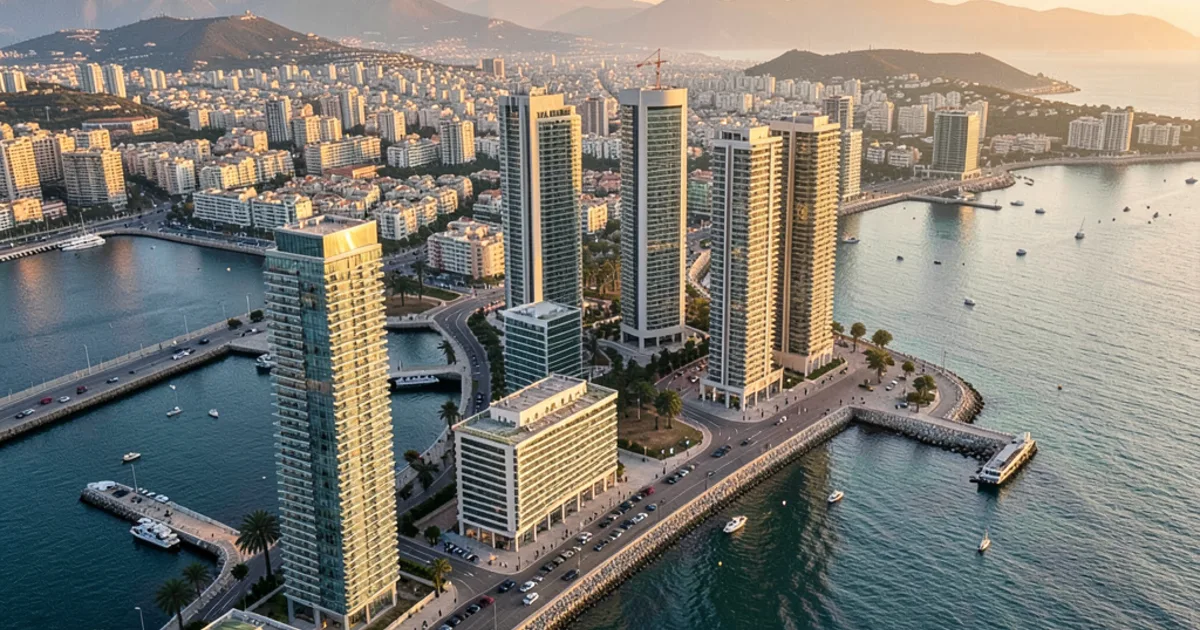
The Tel Aviv luxury real estate market represents a unique intersection of high-stakes capital appreciation and unparalleled Mediterranean lifestyle. For the sophisticated investor, this market offers significant opportunities, yet it requires a nuanced understanding of local legal frameworks, tax structures, and neighborhood dynamics. This guide serves as a strategic roadmap for navigating the complexities of high-end acquisitions in Israel's most vibrant urban center.
- Why is the Tel Aviv luxury market a resilient asset class?
- Which Tel Aviv neighborhoods should high-end investors prioritize?
- How do different luxury asset classes perform in the local market?
- How can an investor ensure legal security through the Tabu registry?
- What are the tax implications of buying and selling luxury property in Israel?
- What are the best ways to finance a high-end real estate acquisition?
- Why is a binding memorandum essential during the acquisition process?
- What ongoing costs must be factored into a luxury property's budget?
- How should investors plan their exit to maximize returns?
- How does cultural integration impact the long-term investment vision?
Why is the Tel Aviv luxury market a resilient asset class?
The resilience of the Tel Aviv luxury market is primarily driven by the extreme scarcity of premium land and high-quality residential stock. As the economic engine of the region, Tel Aviv experiences a constant influx of high-net-worth individuals seeking both residence and a secure place to park capital. This perpetual demand creates a floor for property values, even during periods of broader economic fluctuation. The limited availability of beachfront plots and large villa estates ensures that supply rarely meets the growing demand from global and local elites.
Furthermore, the city's status as a global tech and innovation hub attracts a demographic of wealthy professionals who prioritize central, high-end living. This demographic provides a consistent base for both luxury rentals and long-term capital growth. Unlike more volatile emerging markets, the Tel Aviv luxury segment is bolstered by a deep-seated local belief in the city's permanence and importance. This cultural and economic stability makes it a preferred destination for wealth preservation.
Investors also benefit from the city's continuous urban renewal and infrastructure improvements. As the municipality invests in public spaces, transport, and waterfront accessibility, the value of adjacent luxury properties tends to appreciate. This synergy between public investment and private luxury development creates a compounding effect on asset values. Consequently, the market behaves less like a speculative bubble and more like a stable, high-value institutional asset class.
- Extreme scarcity of premium land and waterfront plots
- High demand from global and local high-net-worth individuals
- Continuous urban renewal and infrastructure development
- Strong economic ties to the regional tech and finance sectors
Which Tel Aviv neighborhoods should high-end investors prioritize?
Selecting the right neighborhood is perhaps the most critical decision in a luxury investment strategy. In Tel Aviv, micro-markets can behave very differently, with one street potentially commanding a significant premium over the next. For those seeking historical prestige and unique architectural charm, areas like Neve Tzedek offer a level of scarcity that is difficult to replicate. These neighborhoods attract buyers who value character and heritage, often leading to steady, long-term appreciation.
For investors focused on modern luxury and high-rise living, the North Tel Aviv corridor and the beachfront areas provide the most significant opportunities. These regions are characterized by new, high-specification developments that offer amenities such as private pools, concierge services, and panoramic sea views. The demand for these 'vertical villas' is driven by a desire for both security and a contemporary lifestyle. These assets often provide higher liquidity due to their broad appeal to international buyers.
Investors should also consider the emerging luxury pockets that are undergoing significant transformation. As certain older districts undergo massive redevelopment projects, early movers may find opportunities to acquire assets before the full value of the revitalization is realized. However, this requires a careful analysis of municipal zoning and long-term urban plans. A balanced portfolio might include a mix of established historical prestige and high-growth modern developments.
- Neve Tzedek: Historical prestige and unique character
- North Tel Aviv: Modern luxury and family-oriented estates
- Seafront/Beachfront: Ultimate scarcity and high-end amenities
- Emerging redevelopment zones: High-growth potential
How do different luxury asset classes perform in the local market?
Understanding the distinction between asset classes is vital for aligning an investment with specific financial goals. Penthouses represent a high-liquidity option, offering the allure of views and exclusivity within a larger, managed building. They are particularly attractive to the rental market, as high-net-worth tenants often prefer the security and amenities of a luxury high-rise. While they may not offer the same land-value appreciation as a villa, their turnover can be more rapid.
Villas and standalone estates represent the pinnacle of the luxury market, offering unparalleled privacy and significant land ownership. These assets are often viewed as 'blue-chip' investments because the land itself holds intrinsic, non-depreciating value. While the entry price is substantially higher and the liquidity may be lower than a penthouse, the potential for massive capital gains through land appreciation is significant. These are typically long-term holds for generational wealth.
Seafront estates occupy a unique category where the combination of land and view creates a scarcity premium that is almost unmatched. These properties are highly sensitive to the quality of the surrounding coastline and municipal maintenance. While they require more intensive management, they serve as highly effective hedges against inflation. Investors must weigh the higher maintenance costs and potential entry barriers against the unique prestige and value retention these properties offer.
- Penthouses: High liquidity, strong rental potential, amenity-focused
- Villas: High land value, privacy, long-term capital appreciation
- Seafront Estates: Extreme scarcity, prestige, inflation hedge
How can an investor ensure legal security through the Tabu registry?
In the Israeli real estate market, the Tabu (the official Land Registry) is the ultimate authority on property ownership and encumbrances. Before committing any capital, it is imperative to verify the property's status directly with the Tabu. A thorough search will reveal whether the seller has the legal right to transfer the property and if there are any existing liens, mortgages, or legal disputes attached to the title. This step is non-negotiable for any high-end acquisition.
Investors must also be aware that not all properties are registered in the Tabu in the same manner. Some may be registered through other systems, such as the municipal registry or through specific land-owner associations. A professional legal review must confirm that the title is 'clean' and that the description in the registry matches the physical reality of the property. Discrepancies in floor area or boundary lines can lead to significant legal and financial headaches during a future sale.
Furthermore, the process of transferring ownership involves several layers of verification, including checking for any 'unrecorded' rights or long-term leases that might affect the property. Working with a specialized legal professional who understands the intricacies of the Israeli land system is essential. They will ensure that all necessary searches are conducted and that the property is properly registered in the investor's name immediately following the transaction.
- Verify ownership via the official Tabu registry
- Identify any existing liens, mortgages, or legal encumbrances
- Confirm physical boundaries match registry descriptions
- Ensure all rights are clearly defined in the title
What are the tax implications of buying and selling luxury property in Israel?
Taxation is a major component of the total cost of ownership and must be integrated into your financial modeling. The first significant cost is Mas Rekhisha, or purchase tax. In Israel, this tax is progressive, meaning the rate increases as the purchase price of the property rises. For luxury assets, which often fall into the highest tax brackets, this represents a substantial upfront capital requirement that can significantly impact your initial cash flow.
Upon the eventual sale of the asset, the investor will be subject to Mas Shevah, commonly known as capital gains tax. This tax is levied on the real profit realized from the appreciation of the property. While there are certain exemptions and nuances depending on whether the property is considered a primary residence or a purely investment asset, one should generally plan for a significant portion of the profit to be allocated to this tax. Accurate accounting of all acquisition and improvement costs is vital to minimizing this liability.
Beyond these two primary taxes, investors should account for various administrative fees, stamp duties, and potential municipal levies. It is prudent to engage a tax professional who can provide a comprehensive projection of both entry and exit costs. Failing to account for the cumulative effect of Mas Rekhisha and Mas Shevah can lead to an unexpected erosion of your projected net returns, potentially turning a profitable deal into a break-even scenario.
- Mas Rekhisha: Progressive purchase tax based on value
- Mas Shevah: Capital gains tax on realized profit
- Planning for total entry and exit costs to protect net ROI
What are the best ways to finance a high-end real estate acquisition?
Financing a luxury acquisition in Tel Aviv requires a different approach than standard residential mortgages. While Mashkanta (mortgage) options are available, the terms and requirements for high-value properties can be more stringent. Banks and financial institutions often apply more rigorous scrutiny to the borrower's liquidity and the underlying value of the collateral. For many high-end investors, a combination of cash and private banking facilities is the preferred method of funding.
When utilizing a Mashkanta, investors should be mindful of the Loan-to-Value (LTV) ratios, which may be lower for luxury assets compared to mid-market homes. Additionally, the interest rate environment and the structure of the loan, whether fixed or variable, can have a profound impact on long-term carrying costs. It is often beneficial to maintain a flexible financing structure that allows for early repayment if the investor decides to exit the position ahead of schedule.
For international investors, navigating the complexities of cross-border financing is another critical consideration. Ensuring that the funding source is compliant with both Israeli and home-country regulations is essential to avoid delays in the closing process. Working with a financial adviser who has experience in the Israeli market can help structure a financing package that optimizes both tax efficiency and capital flexibility.
- Mashkanta (Mortgage) availability and LTV considerations
- Utilization of private banking for high-net-worth clients
- Importance of flexible loan structures for early exit
- Compliance with cross-border financial regulations
Why is a binding memorandum essential during the acquisition process?
In the high-stakes world of Tel Aviv luxury real estate, the transition from an offer to a completed sale is governed by the binding memorandum. This document is far more than a simple agreement; it is a comprehensive legal contract that outlines all terms, conditions, and obligations of both the buyer and the seller. A well-drafted memorandum is the primary defense against disputes and ensures that the vision of the transaction is legally enforceable.
The memorandum should clearly detail everything from the final purchase price and payment schedule to the specific condition of the property upon handover. It must also address critical contingencies, such as the successful verification of the Tabu registry and the absence of any undisclosed liens. For luxury buyers, it is also common to include specific clauses regarding the inclusion of high-end fixtures, furniture, or specialized technological integrations.
Engaging a legal professional to negotiate and draft this memorandum is a critical step in due diligence. A rushed or poorly drafted agreement can leave an investor vulnerable to unforeseen costs or legal challenges. The memorandum serves as the foundation upon which the entire transaction rests, and its precision is directly proportional to the security of your investment.
- Defines all legal obligations and transaction terms
- Addresses payment schedules and contingency clauses
- Protects against undisclosed liens or property defects
- Provides a framework for high-end inclusions and fixtures
What ongoing costs must be factored into a luxury property's budget?
Acquiring a luxury asset is only the first step; managing its ongoing operational expenses is equally important for maintaining profitability. One of the most significant recurring costs is Arnona, the municipal property tax. In Tel Aviv, Arnona rates are calculated based on the property's use (residential vs. commercial) and its size/location, and for large luxury estates, these can be quite substantial. Failing to budget for this can lead to unexpected cash flow shortages.
For residents of luxury high-rises or gated communities, the 'Va'ad Bayit' (building committee) fees are another major consideration. These fees cover the maintenance of common areas, security, concierge services, and the upkeep of amenities like pools and gyms. In premium developments, these costs can be quite high, reflecting the high standard of service and facility management required to maintain the property's prestige. These costs must be factored into any rental yield calculations.
Additionally, investors should account for periodic maintenance, insurance, and potential upgrades to keep the property competitive in the luxury market. A property that falls behind in modern amenities or aesthetic upkeep will quickly see a decline in both rental demand and resale value. Viewing these expenses not just as costs, but as necessary investments in asset preservation, is the hallmark of a sophisticated real estate investor.
- Arnona (Municipal property tax) considerations
- Va'ad Bayit (Building committee) and concierge fees
- Routine maintenance and high-end facility upkeep
- Insurance and periodic property upgrades
How should investors plan their exit to maximize returns?
A successful investment strategy is defined as much by the exit as it is by the entry. When planning an exit in the Tel Aviv luxury market, investors must decide whether their primary goal is capital appreciation or consistent rental yield. Those seeking appreciation often hold assets for many years, allowing the scarcity of the land to drive value. In contrast, those focused on yield may prefer high-turnover assets like serviced luxury penthouses.
Timing the market is a complex endeavor, but understanding the local economic cycles can provide a strategic advantage. Investors should be mindful of the impact of interest rate changes on the Mashkanta market and the broader sentiment of the high-net-worth community. Furthermore, the condition of the property at the time of sale, specifically how well it has been maintained and updated, will directly influence the final premium achieved.
Finally, the method of sale should be tailored to the asset class. A unique villa may require a highly targeted, discreet marketing approach to reach the right global buyers, whereas a modern penthouse might benefit from broader exposure through luxury-focused agencies. An exit strategy that includes a clear understanding of Mas Shevah and the costs of liquidation will ensure that the realized gains are maximized.
- Alignment of exit with appreciation or yield goals
- Strategic timing based on economic and interest rate cycles
- Asset-specific marketing (discreet vs. broad exposure)
- Comprehensive planning for capital gains tax (Mas Shevah)
How does cultural integration impact the long-term investment vision?
For many investors, the journey in Israel is more than a financial transaction; it is a process of cultural and social immersion. This integration often begins with understanding the local language and social customs, a process sometimes likened to the intensive learning found in an ulpan. For an investor, this level of immersion provides a profound advantage: the ability to read the local market's 'pulse' and understand the shifts in community priorities.
Understanding the local lifestyle also allows an investor to better predict the demand for specific property features. When you understand the rhythms of Tel Aviv life, from the coastal culture to the specific needs of the tech-driven professional class, you can make much more informed decisions about property amenities. A property that is designed to cater to the actual lifestyle of the local elite will always command a higher premium and higher occupancy rates.
Furthermore, building local connections can provide an informal intelligence network that is invaluable in a high-stakes market. Engaging with the community and understanding municipal trends can help an investor stay ahead of urban development plans. This holistic approach transforms a simple real estate transaction into a sustainable, long-term lifestyle and financial strategy that is deeply rooted in the local context.
- Improved market sentiment reading through cultural immersion
- Better alignment of property amenities with local lifestyle demands
- Access to informal local information and intelligence networks
FAQ
What is the biggest risk when investing in Tel Aviv luxury real estate?
The primary risks include market liquidity for unique assets and changes in municipal zoning or taxation laws. While the market is resilient, high-end properties can take longer to sell during economic downturns compared to mid-market homes.
Get your personalised shortlist
Listings and up-to-date info, straight to your inbox, free, no obligation.
See luxury homes →